Conference Schedule
2026 MASE Best Practices Conference
REGISTER Conference Central Schedule Sponsor/Exhibit Speakers
2026 MASE Best Practices Conference Schedule
This session is only for those who are already registered for the 2025-26 New Directors Cohort
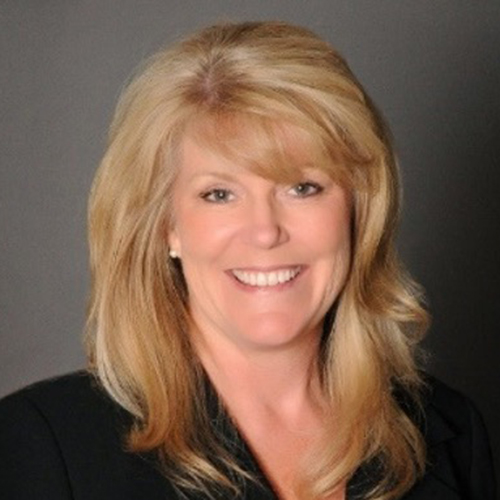
In an era defined by rapid change, evolving challenges, and increasing complexity, our strength lies in unity. This keynote explores how collaborative advocacy empowers educators and leaders to move from uncertainty to impact. Drawing on the theme of “Unity in Complexity,” participants will examine how collective voice, shared purpose, and strategic leadership can influence systems, shape policy, and create meaningful change. This session will inspire renewed commitment to standing together, leading boldly, and harnessing the power we hold as a unified professional community.
A1. Creating a Unified System of MTSS-Math, Nicole McKevett and Mona Perkins, Pillsbury
This session will introduce a system-level approach to mathematics MTSS, designed to unify general and special education amid increasing instructional complexity. Participants will explore how shared language, aligned instructional expectations, and intentional leadership practices reduce silos and support coherent math instruction across Tier 1, Tier 2, and Tier 3.
A2. Shifting from Reaction to Prevention: Leadership Strategies to Reduce Special Eduation Disputes, Tia Ellis and Kristin Orton, Sibley
This session explores proactive strategies a special education leadership team is implementing to reduce conflict with families and support collaborative, student-centered outcomes. Participants will learn practical approaches used to strengthen family communication, build staff capacity, and address concerns early - before they escalate into formal disputes.
A3. Unity Through Preparation: A Comprehensive Paraeducator Training Model for Diverse Populations, Cheryl-Marie Manson, Golf Villa AB
This session highlights the MAASE Paraeducator Project, a comprehensive five-program training model designed to support paraeducators serving diverse student populations. Participants will learn how a unified, scalable framework promotes equity, collaboration, and consistency in complex education systems and can be adapted for use by other states.
A4. This Is Your Life!, Amy Mace and Mick Waldspurger, Golf Villa C
Using interactive scenarios and a “game show” format, Amy and Mick will cover a “hypothetical” day in the life of a special education director. The presentation will focus on the key laws and best practices that a special education director must know to survive. Are you looking for an out-of-the box presentation that is both instructive and filled with laughter? If so, you will truly enjoy this interactive and innovative presentation.
A5. A Work-Based Learning Roundtable: Meaningful Experiences, AI, and the Path to Post-Secondary Success, Noelle Meyer and Jill Stewart-Kellar, Golf Villa D
Join our Work-Based Learning roundtable session to explore program structures and strategies for providing meaningful work experiences for students with special needs. Dive into special topics like AI’s impact on interviewing for our students. Share struggles and successes while networking to continue to develop a toolkit for every post-secondary pathway—from supported employment to further education and beyond.
A6. Bridging MN MTSS and SpEd: Aligning for Impact, Sarah Sirna and Vicki Weinberg, Governors Ballroom
Join us for a dynamic session focused on the intersection of Minnesota’s Multi-Tiered System of Supports (MN MTSS) and team-based work in Special Education.
We’ll dive into:
- Where and why team participation matters for improving alignment and strengthening collaborative decision-making.
- How Special Education practices connect to MN MTSS guidance, making those connections clear and actionable.
- This session is all about breaking down silos, building stronger teams, and ensuring every student benefits from a unified approach.
B1. Dignity Centered Programming: Building Sustainable Federal Setting IV Services for Students with Complex Behavioral and Emotional Needs, Rochelle Cox and Brenda Lewis, Pillsbury
Fridley Public Schools developed a Federal Setting IV program serving students with significant behavioral and emotional needs with dignity and belonging at its core. This session shares our comprehensive approach to launching specialized programming that serves both district and regional students. Participants will learn practical strategies for creating therapeutic environments, developing rigorous curriculum, building sustainable financial models, and recruiting specialized staff for Level 4 settings.
B2. Workforce Stability in Special Education: Retention-Focused Mentoring and Preparation Partnerships, Michele Barron-Albers and Martha Moriarty, Sibley
Recruiting and retaining special education teachers requires more than job postings, hiring bonuses, and employment incentives. This session explores how embedded mentoring, individualized support systems, and practice-based curriculum function as strategic retention tools. Administrators will gain concrete insights into how strategic partnerships with alternative preparation programs can help stabilize staffing, reduce attrition, and strengthen long-term commitment to special education roles.
B3. Time with the State Special Education Director and Q&A, Tom Delaney, Sonia Smith, and Rebecca Nesset, Golf Villa AB
B4. Difficult People, Places and Things, Adam Frudden and Elizabeth Meske, Golf Villa C
Learn from an In-house attorney and an outside counsel what strategies that they have found successful when working with difficult people - staff, students, community members, advocates. They will discuss request for places or location of services (home, residential care in Utah for example) that can present difficulty and how to find resolution in each of these situations
B5. Data or No Data? What Is the Deal?, Christian Shafer, Golf Villa D
Come play a fast paced game of "Deal or No Deal". We will discuss who gets data including requests from police, parents with and with custody, outside providers, child protection to name a few. Who can access data in the school setting and all those questions that inquiring minds want to know!
C1. Your Leadership Voice—Maximizing Team Support, Kayla Awolope, Heidi Hahn and Amy Krueger, Pillsbury
The GiANT 5 Voices is a communication and leadership framework designed to help individuals understand their own personality, improved team collaboration and reduce conflict. They system identifies five distinct, natural communication styles – Nurturer, Creative, Guardian, Connector and Pioneer – that everyone uses, though some are more dominant.
Leaders will learn their voice order and discover how their voices show up in their leadership, and how they can support and maximize the power of the voices on their team.
C2. Supported Decision-Making and Guardianship, Katie Hestness, Sibley
This presentation explores the spectrum of decision-making supports for individuals transitioning to adulthood. We’ll examine how each approach can empower individuals while ensuring their rights and needs are respected. We will also help educators feel more informed when families are asking questions about these topics.
C3. Unlock New Strategies for Teaching Math to All Learners!, Patty Popp and Sarah Sirna, Golf Villa AB
Join us for an exciting session introducing free, customized training modules designed to boost teachers’ content knowledge and instructional skills for supporting students with disabilities and those who need extra help in math.
These modules are grounded in research on disability and learning difficulties, ensuring that every strategy is evidence-based and effective.
Together, they’ll share how these innovative modules are being developed to empower educators with practical tools and deeper understanding—so every student can succeed in math.
C4. Limited Resources, Unlimited Expectations, Adam Frudden, Golf Villa C
In this session, we will discuss how to ensure students' needs are met in compliance with IDEA and state law during a time of tight resources.
C5. Deep Dive Into Discipline, Christian Shafer, Golf Villa D
As the year comes to a close, we will review what worked and what did not. How has the new law impacted how teams support students, what are the rules for out of school discipline, what are the nuances for MDs, expulsion, exclusion, on line as a placement.
D1. Virtual Reality Resources That Build Independence, Kristine Gullen, John Hitchcock, and Dr. Lois Vaughan-Hussain, Pillsbury
Are you interested in learning more about classroom-ready virtual reality (VR) tools that can transform the way students with disabilities learn essential life skills and increase their independence? Join us and discover digital resources that enhance engagement and promote skill generalization. Participants will leave with access to a digital library of mixed-reality resources, lesson integration ideas, and collaboration strategies.
D2. How to Best Collaborate with Administrators, Fhonda Contreras, Sibley
Principals and other leaders have named (per the MN principal's survey) that special education is one of the top three things they feel least prepared to support or have the least knowledge on. This break out session will give you the top 10 best tips to support administrators in your district on sped laws and procedures.
D3. The Attorney Is In, Adam Frudden and Christian Shafer, Golf Villa AB
Come play stump the attorney! We will take questions before the session - look for the drop box to place your question. Are you curious about - Responding to IEE requests, working with advocates, hiring parents in times of shortage, consequences of on line learning? Ask the attorneys! We'd love your questions at the session as well. She who stumps the lawyer will get a fabulous prize!
D4. Speech-Language Pathology Assistants: Understanding Their Role, the New SLPA License and How They Can Support Student Success, Emily Aust and Nancy Thul, Golf Villa C
As student needs increase and workforce shortages persist, Speech-Language Pathology Assistants (SLPAs) are a strategic support to service delivery. This session provides an overview of the SLPA role in Minnesota, including educational requirements, supervision expectations, and SLPA scope of practice and licensure. Through examples and discussion, attendees will learn how SLPAs can support therapy implementation, data collection, and collaboration under the direction of a licensed Speech-Language Pathologist (SLP), allowing SLPs to focus on evaluation, planning, and specialized intervention. This session is designed for administrators and special education leaders seeking clarity and practical guidance on integrating SLPAs into school-based teams.
D5. Alternative Curriculum: From Adoption Through Implementation, Lindsay Engberg and Janet Fimmen, Golf Villa D
Have you ever purchased a curricular resource—only to have it sit unopened, collecting dust on a shelf? This session highlights ISD 196’s process of exploring alternative curriculum options, adopting TeachTown/enCore, and rolling out an implementation plan for students in low incidence federal setting 3 programs.
Participants will learn how the district aligned desired outcomes with a selection process, how training was rolled out, and an overview of ongoing support for implementation. In addition, we will share some of our implementation challenges for meeting diverse student needs and how we have addressed these areas.
Attendees will leave with practical strategies and tools for selecting and implementing an alternative curriculum with both consistency and flexibility—supporting access, engagement, and student growth.
D6. Turn MTSS Data Into Action: Identifying SLD with Confidence, Patty Popp, Sarah Sirna, and Vicki Weinberg, Governors Ballroom
How can your MTSS framework do more than support students—it can drive smarter decisions for SLD identification and planning?
Join us for a practical, research-driven session where we will:
- Review the proposed SLD criteria
- Pinpoint MTSS data that informs identification and program planning
- Map MTSS data directly to SLD criteria for a clear, systematic process
You’ll leave with a deeper understanding of how MTSS data systems provide powerful insights before, during, and after special education identification—helping you make decisions that truly support student success.
E1. Enhancing Systems of Prevention & Support in Schools, Kate Hulse and Dr. Melissa Schaller, Pillsbury
This presentation outlines ISD 917’s approach to school safety through investments in well-being, staff practices, and student skill-building. Attendees will learn about evidence-based frameworks, trauma-informed strategies, SEL integration, and other supports for students with diverse and unique needs. A different approach to school safety can create sustainable systems of prevention and support in schools and districts.
E2. Giving the Adults the Tools to Support Students in the Classroom, Curt Slater, Sibley
All teachers have a classroom management plan that works for some students, but what is happening day to day during the school year? Do you see a pattern that the students are starting to struggle more with behavior and social skills? Time to Flip the Behavior before it Impacts Teaching and Learning. Walk away with best practice strategies that you can use in your school tomorrow Participants will: Identify Tier 1 interventions that will support all students, understand how to use some tools and strategies to support students and staff with behaviors, identify some classroom best practices around supporting students with mental health issues, and develop a school-wide process to support families that might be struggling with social and emotional issues.
E3. Finding PEACE While Leading in Complex Times, Kayla Awolope, Heidi Hahn, and Amy Krueger, Golf Villa AB
Now more than ever, people need hopeful leaders. One of the greatest impacts on being hopeful is our ability to find and "be at peace." Using the GiANT tool, The Peace Index, participants will have the opportunity to explore the 5 "P's" that impact our overall level of peace. Participants will have an opportunity to reflect on these areas personally, and share out how they are working to improve their overall sense of peace to lead and unify people during complex times.
E4. Report Wrangling and Data Magic, Jennifer Danielson, Andrea Lucas, and Diane McCarron, Golf Villa C
This session explores key SpEd Forms reports, what data feeds them, and why directors might run them. Participants will review examples, discuss practical uses for program decisions, and see how report data can be transformed into visual charts for easier analysis.
E5. Spreadsheets, Statutes, and Sanity: Practical Fiscal Monitoring Strategies for New(er) Special Education Directors, McKenzie Helgeson and Tish Kalla, Golf Villa D
This session provides practical, real-world strategies for supporting districts with special education fiscal monitoring. Participants will learn how to train districts to review fiscal practices, use MDE tools effectively, and engage in productive compliance conversations. Emphasis is placed on building district capacity, internal controls, and routine self-checks to support sustainable, compliant practices—without the panic.
E6. From School to Self-Suffiency: A Unified Approach to Harmonizing Employment, Education and Independent Living in Adult Transition, Kasey Anderson, Erik Chrissis, and Jennifer Middendorf, Governors Ballroom
Success in the transition to adulthood requires integrating vocational, academic, and life skills. This session explores the Burnsville Eagan Savage Transition (BEST) Program, which addresses IDEA’s transition pillars: employment, post-secondary education, and independent living. Learn how collaborative teams, community partnerships, and resources bridge the gap between classroom instruction and real-world application to overcome individual student barriers.
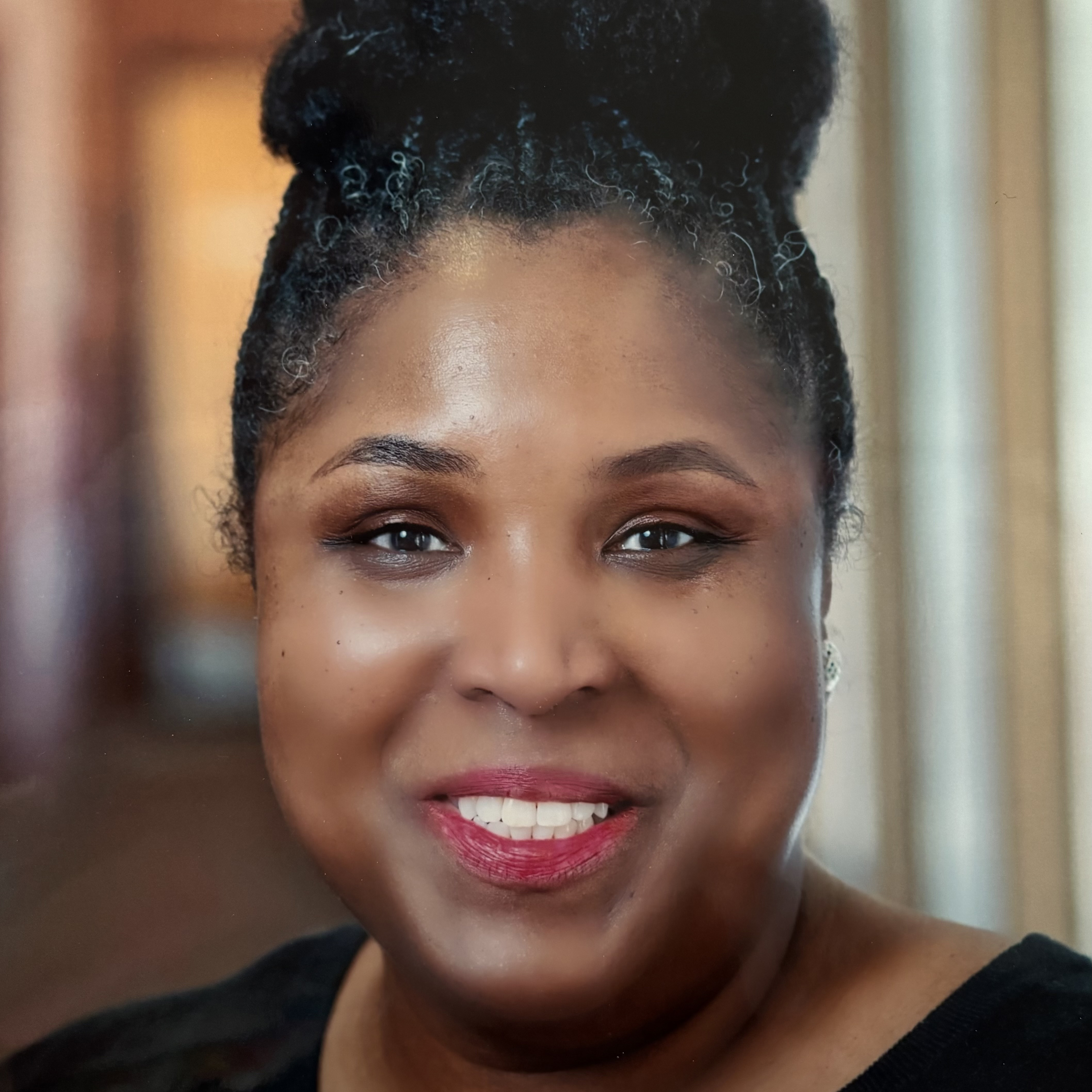
In today’s dynamic educational environments, leaders at all levels are frequently called upon to engage with a wide range of personalities—each bringing unique strengths, perspectives, and communication styles. “Navigating Challenging Personalities: Leading with Clarity, Confidence, and Calm” is a practical, research-informed keynote designed to empower educators and administrators with the tools to lead effectively without losing their center.
Participants will explore how personality dynamics influence workplace interactions, learn strategies for recognizing and adapting to different styles, and build confidence in responding to difficult conversations with professionalism and poise. Through real-world scenarios common in school settings—staff meetings, parent engagements, performance conversations, and collaborative decision-making—this session underscores how intentional communication and self-awareness strengthen relationships and foster a positive organizational culture.
Attendees will walk away with:
- A framework for identifying and understanding challenging behaviors before reacting
- Evidence-based techniques to de-escalate conflict and promote mutual respect
- Practical communication strategies that reinforce clarity, consistency, and calm
- Tools to sustain healthy workplace dynamics while honoring individual differences
This keynote is ideal for educators, administrators, and school support professionals who want to enhance their leadership impact and create more resilient teams through thoughtful, confident engagement.